- Date
- May 22, 2026
The cleaning performance of a chemical dishwasher was analyzed using an SPH simulation to capture complex droplet dynamics and surface interactions. With GPU acceleration, high-resolution multiphase flow simulations were performed efficiently. By tracking liquid coverage time on contaminated surfaces, the study enabled accurate evaluation of dilution and cleaning effectiveness, supporting optimized operating parameters.- Date
- May 22, 2026
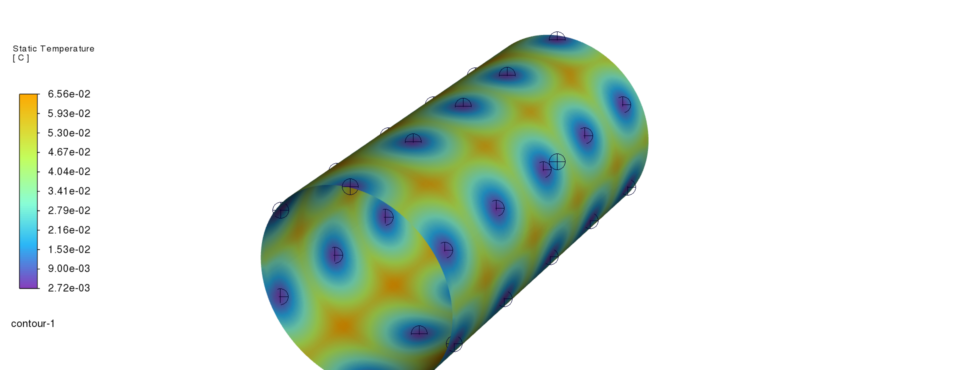
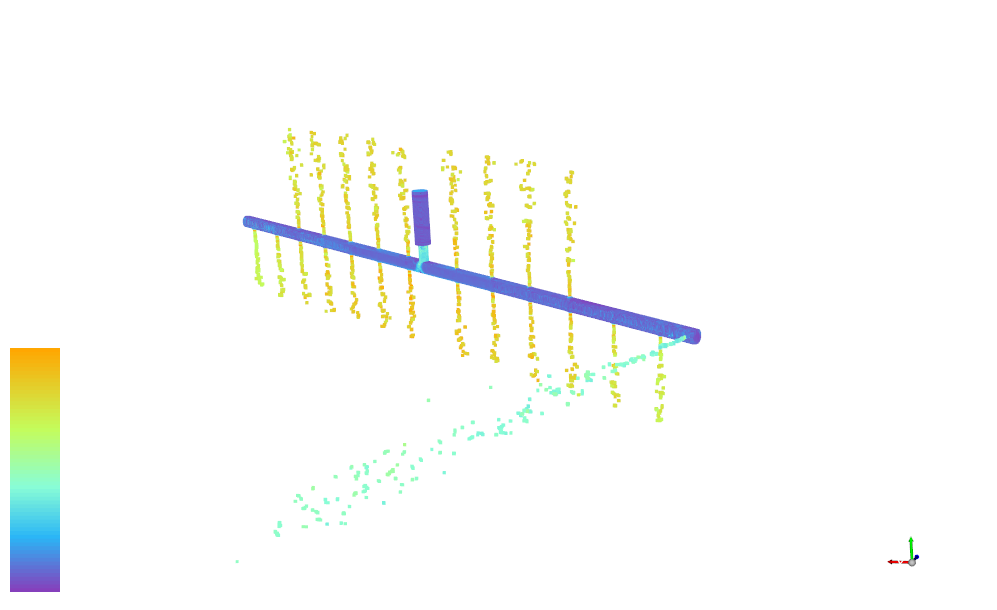
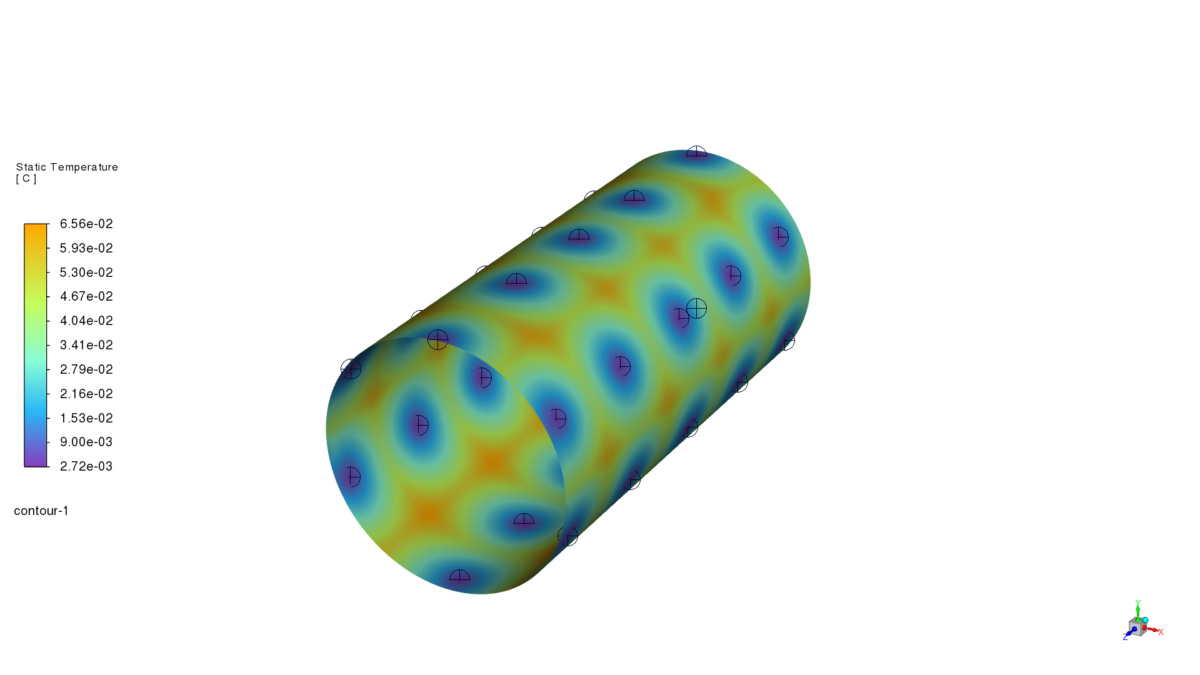
A custom 4D temporal and spatial cylindrical interpolation method was developed to map discrete measurement data onto a curved surface for simulation boundary conditions. The implemented UDF performed surface-based distance calculations and time-dependent interpolation directly on the cylindrical geometry, ensuring accurate data mapping. This approach provided a significantly more realistic and reusable boundary condition for multiple simulation cases.- Date
- May 22, 2026
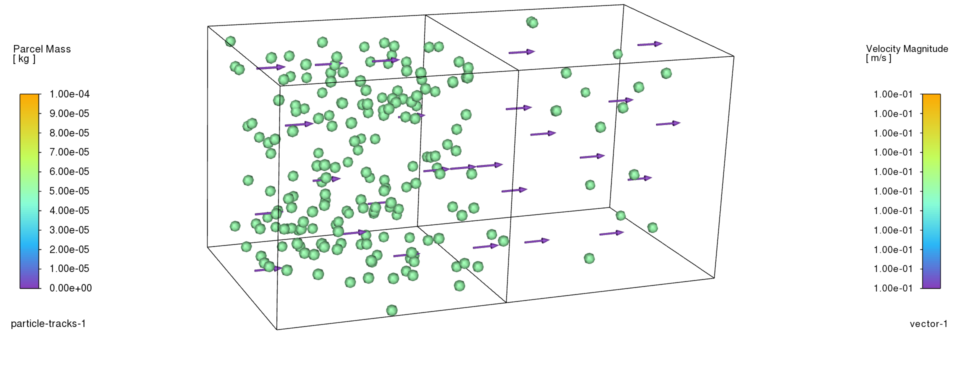
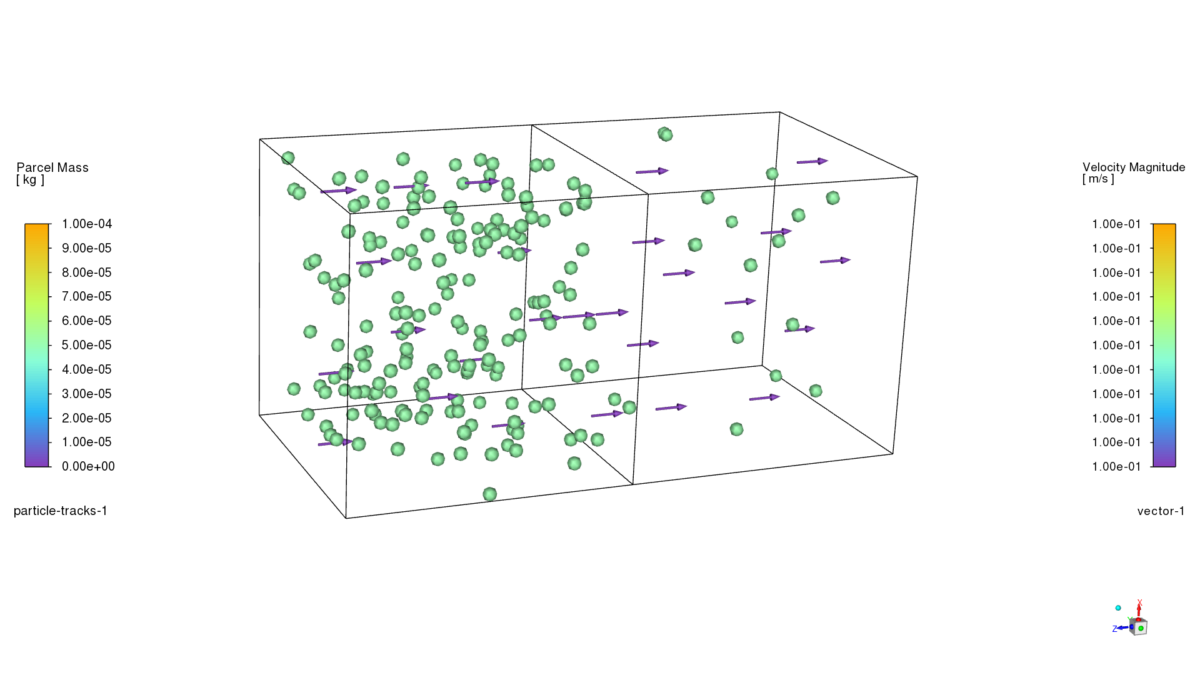
The filter clogging behavior of a truck brake system was analyzed using a customized CFD approach. A porous zone model combined with DPM and User-Defined Functions enabled simulation of particle capture, clogging progression, and size-dependent filtration efficiency. The workflow improved prediction accuracy of pressure drop and filter performance, supporting more reliable design decisions.- Date
- May 20, 2026
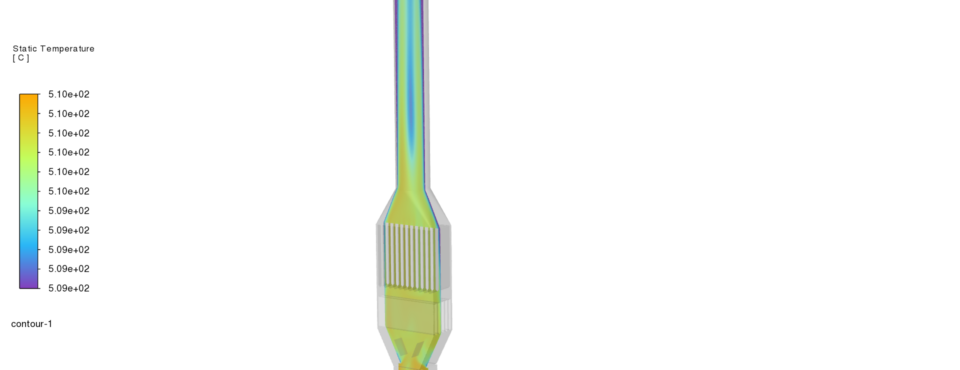
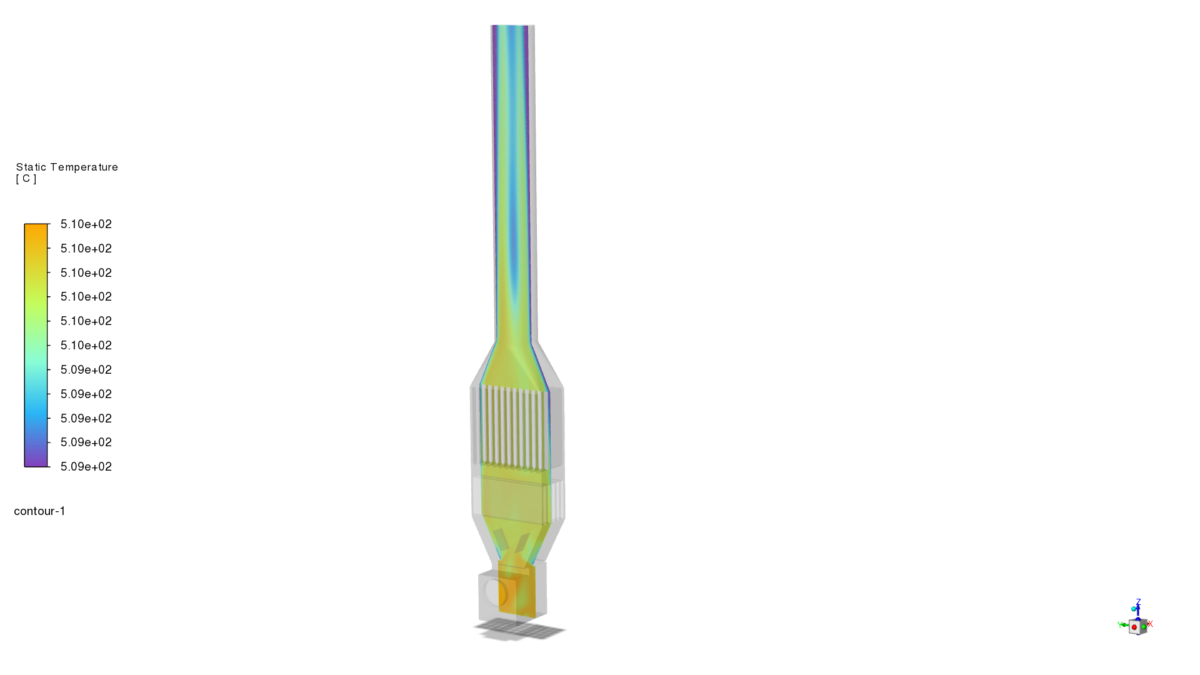
The thermal performance of the bypass chimney and silencer was assessed to verify compliance with external temperature limits. A 3D CFD model using Conjugate Heat Transfer (CHT) and shell conduction was used to efficiently evaluate heat transfer through gas, walls, and insulation. The results confirmed that all temperature limits were met and no hot spots were identified.- Date
- May 20, 2026
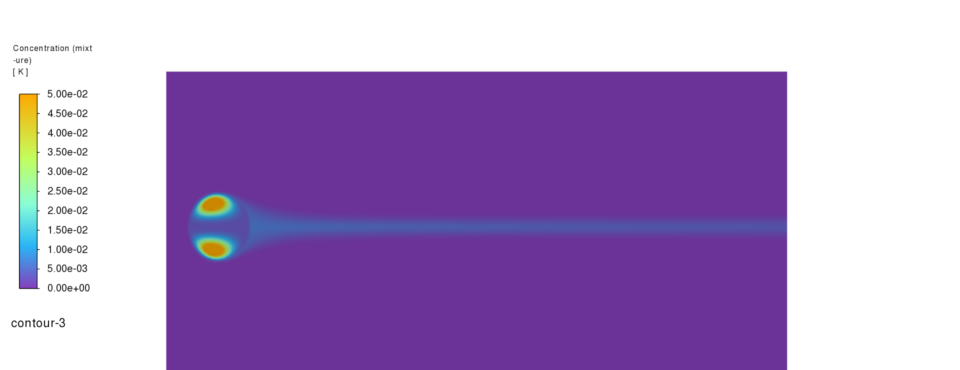
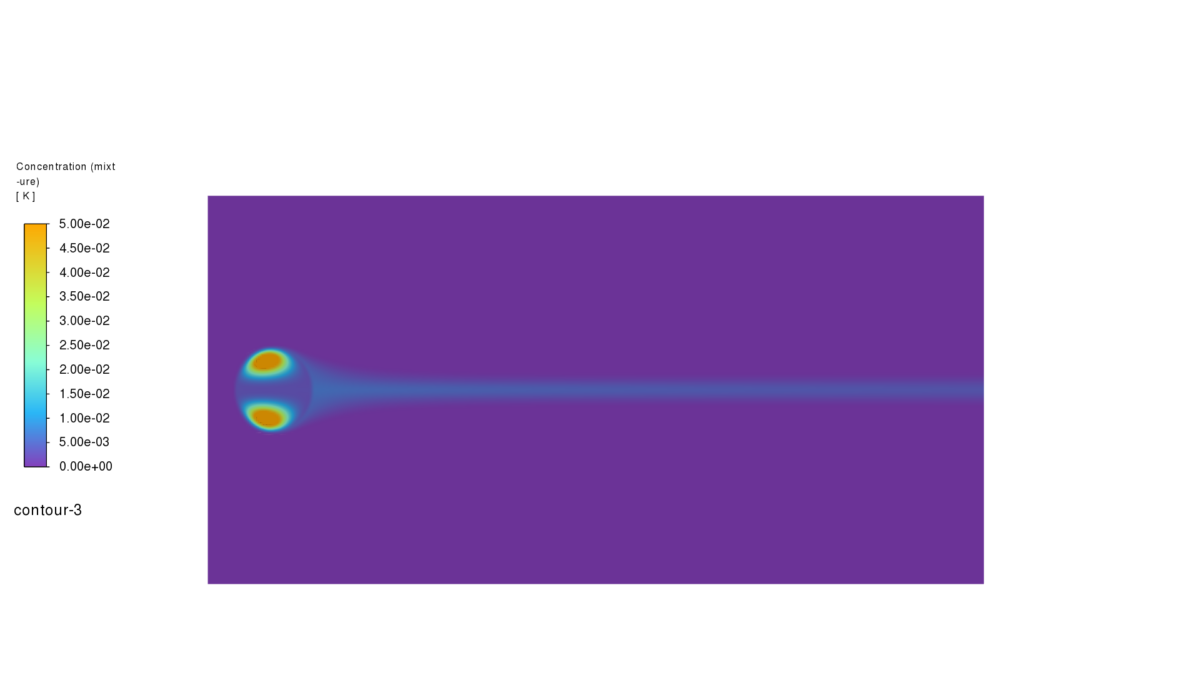
A CFD-based methodology was developed to improve prediction of fluid-fluid mass transfer in chromatography applications with limited experimental data. Using a 2D VOF model, a single droplet in crossflow was simulated to resolve detailed concentration fields. From the concentration decay, an effective mass transfer coefficient was determined, providing more accurate input data than empirical correlations for column-scale simulations.- Date
- May 20, 2026
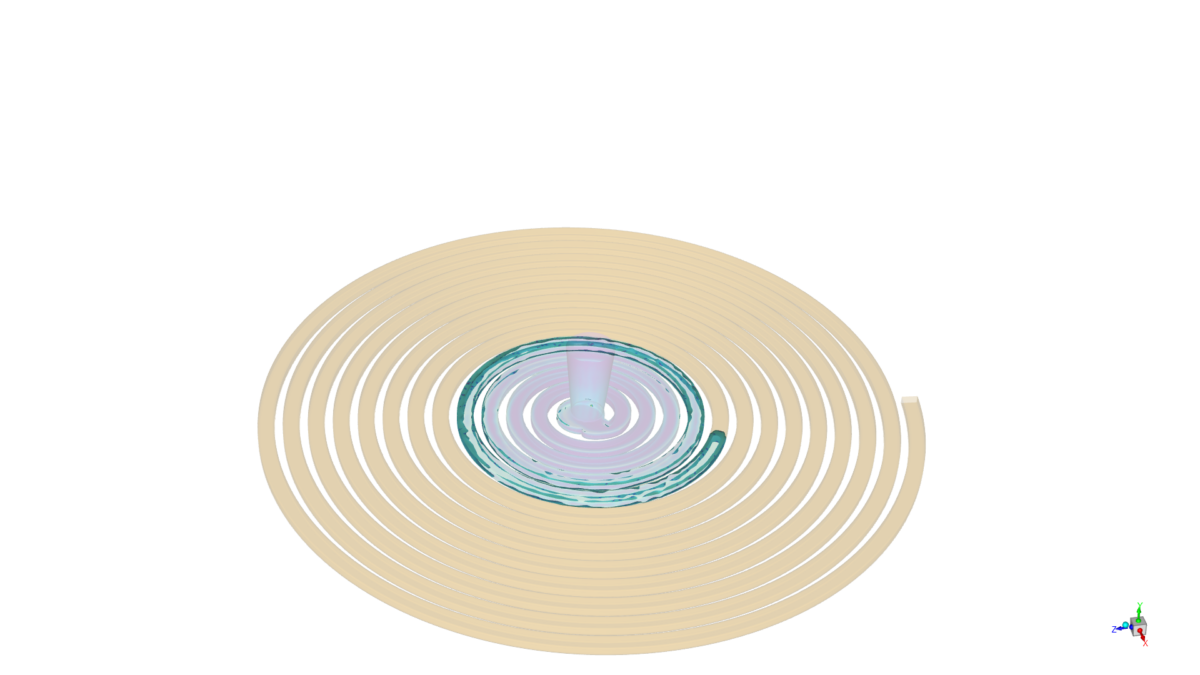
The RTM process for e-motor components was simulated to improve process understanding and defect prediction. A 3D CFD model captured resin flow, curing, and solidification, including temperature- and age-dependent material behavior. The simulation enabled identification of potential air entrapment and void formation, supporting process optimization and reducing manufacturing risks.- Date
- May 20, 2026
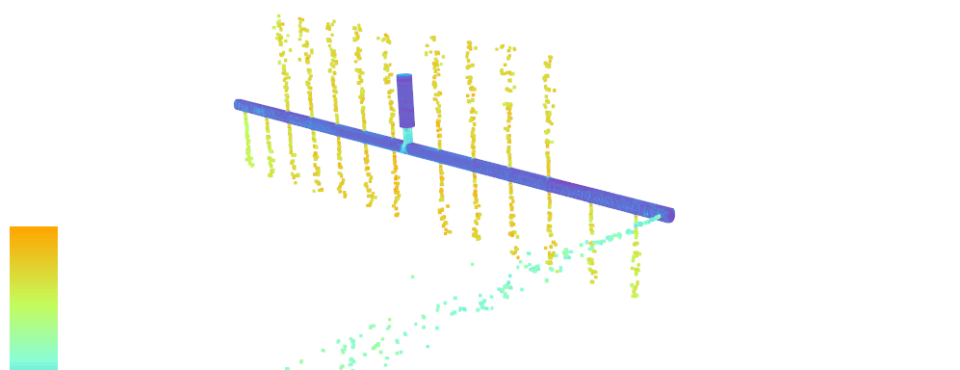
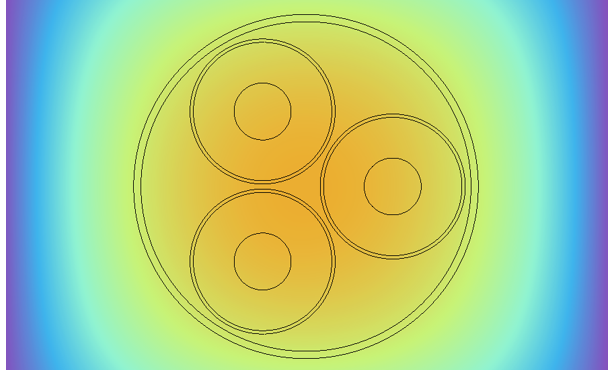
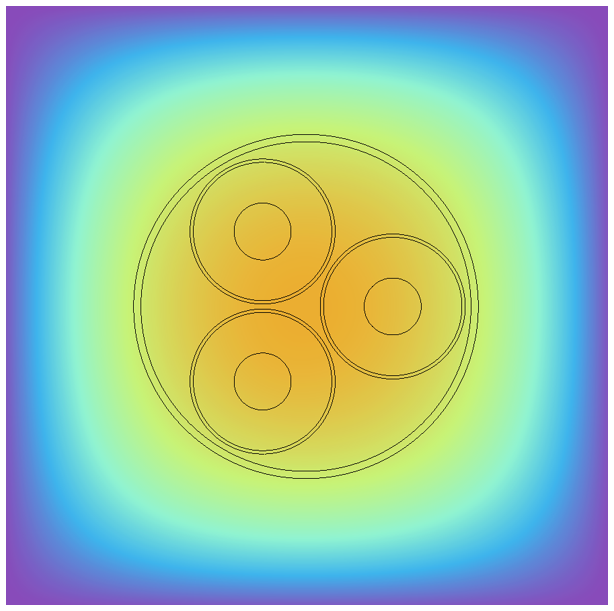
An electromagnetic-thermal co-simulation framework was developed for power cables, enabling accurate calculation of temperature-dependent electromagnetic losses with fully distributed heat sources at the mesh-cell level. Traditional IEC 60287 methods assume uniform conductor and sheath temperatures, which become inaccurate in the presence of strong thermal gradients, magnetic armor, proximity effects, and circulating currents. The framework couples an extended IEC 60287-based electromagnetic loss model directly to Ansys Fluent using PyFluent, retrieving local temperature values for every mesh cell to calculate temperature-dependent properties and corresponding volumetric heat sources. These spatially distributed heat sources are applied back to Fluent, where the thermal field is resolved with full geometric and material fidelity. This two-way, cell-resolved coupling ensures that electromagnetic losses and thermal fields are fully consistent, accurately representing cable behavior under real operating conditions.- Date
- May 18, 2026
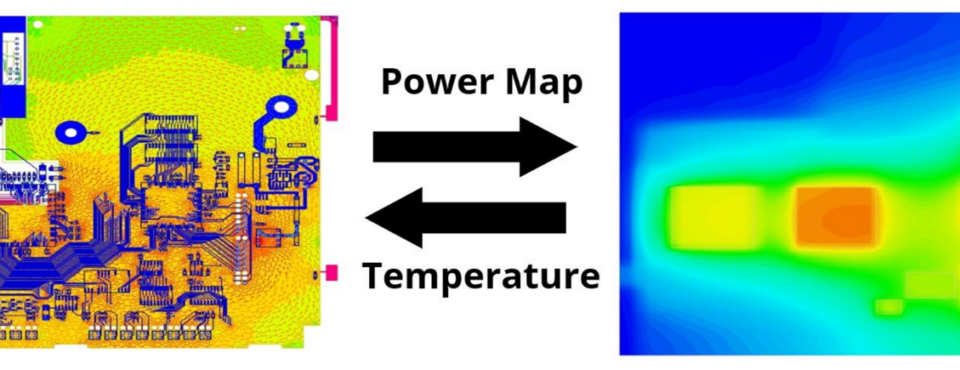
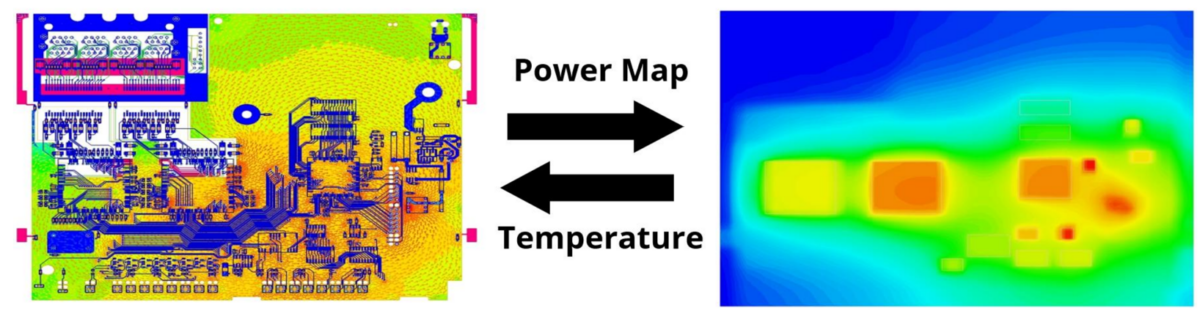
A high-fidelity multi-physics CFD study was conducted to ensure PCB thermal reliability, preventing overheating and localized hotspots through detailed electro-thermal simulations. Detailed ECAD data was imported and cleaned to accurately represent the PCB geometry, and orthotropic thermal conductivity maps were generated for each layer based on trace and via distributions. Resistive heating in traces and vias was modeled using DCIR electrical analysis results, and a coupled electro-thermal workflow between Siwave and Icepak was implemented for iterative convergence to capture temperature-dependent electrical behavior accurately. Full conjugate heat transfer models were built including the PCB, mounted components, and surrounding airflow environment. The methodology enabled precise prediction of temperature distribution, identification and mitigation of thermal hotspots, and provided a robust framework for future PCB thermal reliability analysis.- Date
- May 18, 2026
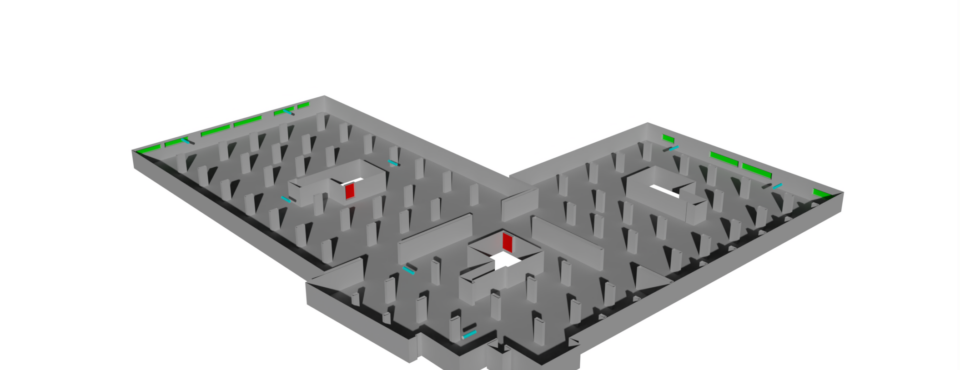
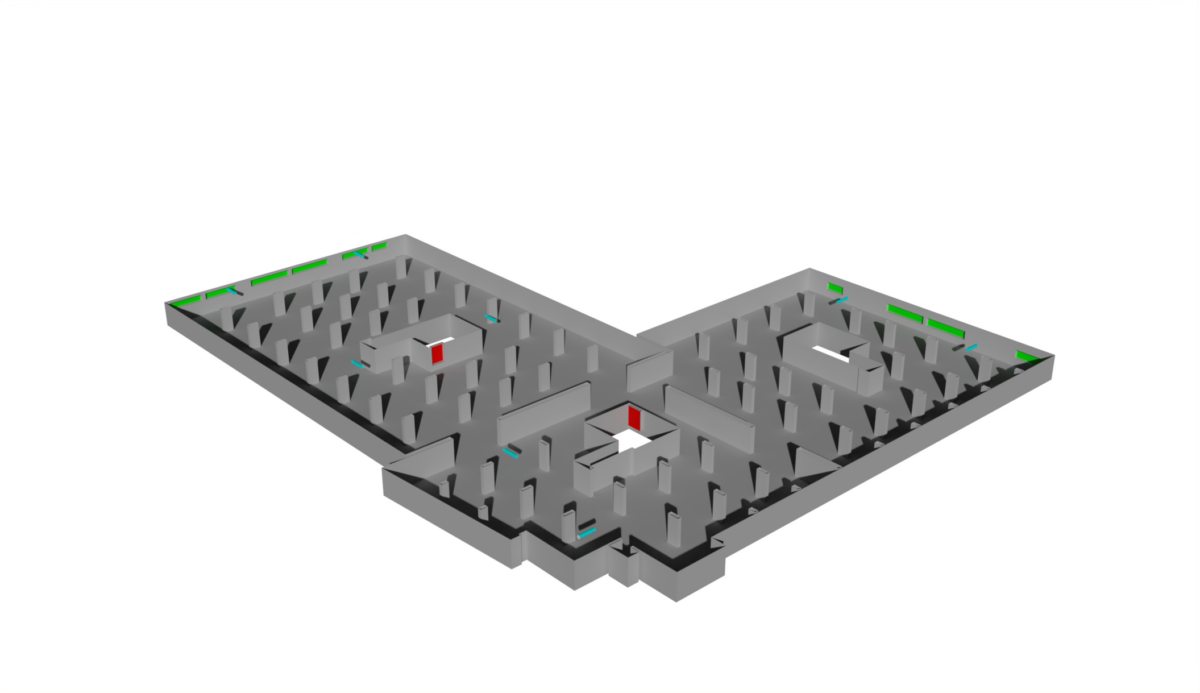
A detailed CFD study was conducted to design and validate the ventilation system of an underground car park, ensuring effective pollutant control during normal operation and supporting smoke extraction strategies for emergency scenarios. In accordance with BS 7346-7, a comprehensive 3D model was developed including inlets, exhausts, and jet fans. Simulations evaluated airflow distribution and local mean age of air as key performance indicators, identifying low velocity and recirculation zones. Alternative jet fan layouts were tested to optimize air movement. The final design delivers a compliant, energy efficient ventilation concept that ensures safe air quality and improved smoke management.