- Date
- May 18, 2026
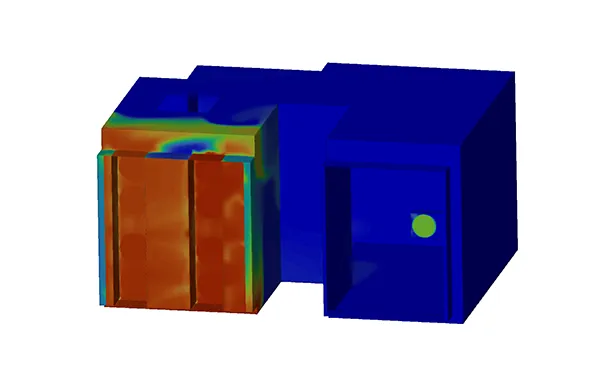
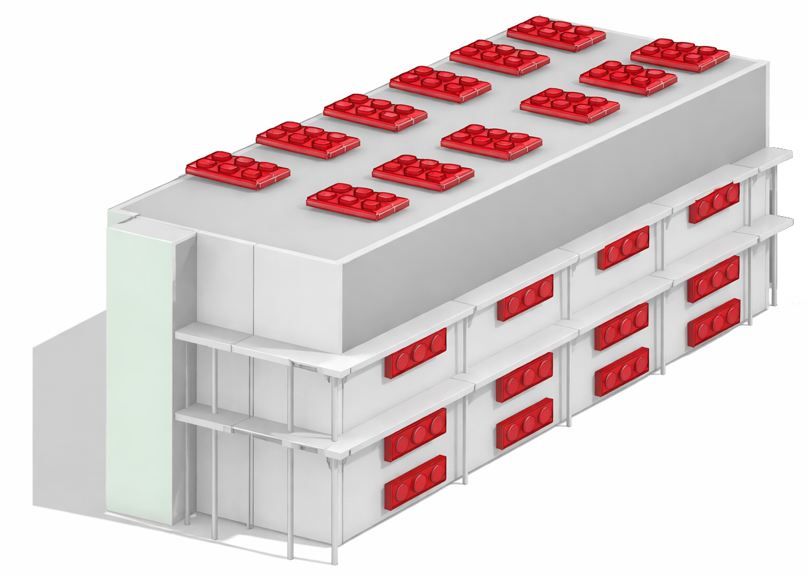
A Python and SpaceClaim-driven workflow was developed to accelerate external condenser placement analysis for data centers, cutting setup time from one week to minutes. The system automates PyFluent script generation, including on-the-fly C++ UDF creation and compilation, allowing users to perform reliable simulations without deep CFD expertise. This framework streamlines repetitive tasks, reduces human error, and enables rapid evaluation of multiple design iterations.- Date
- May 4, 2026
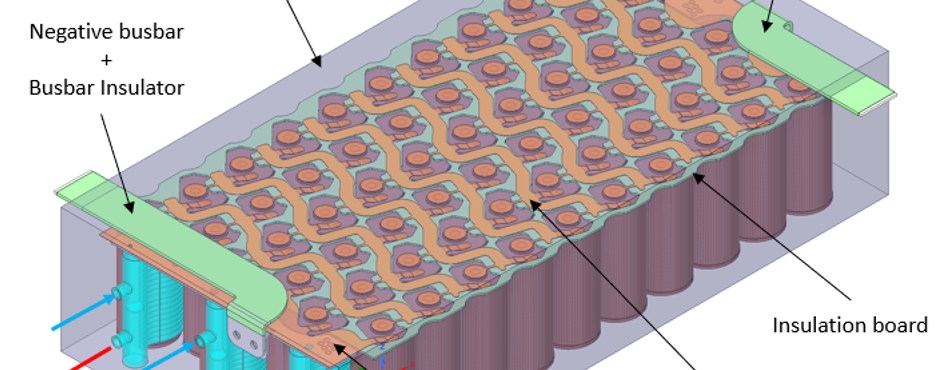
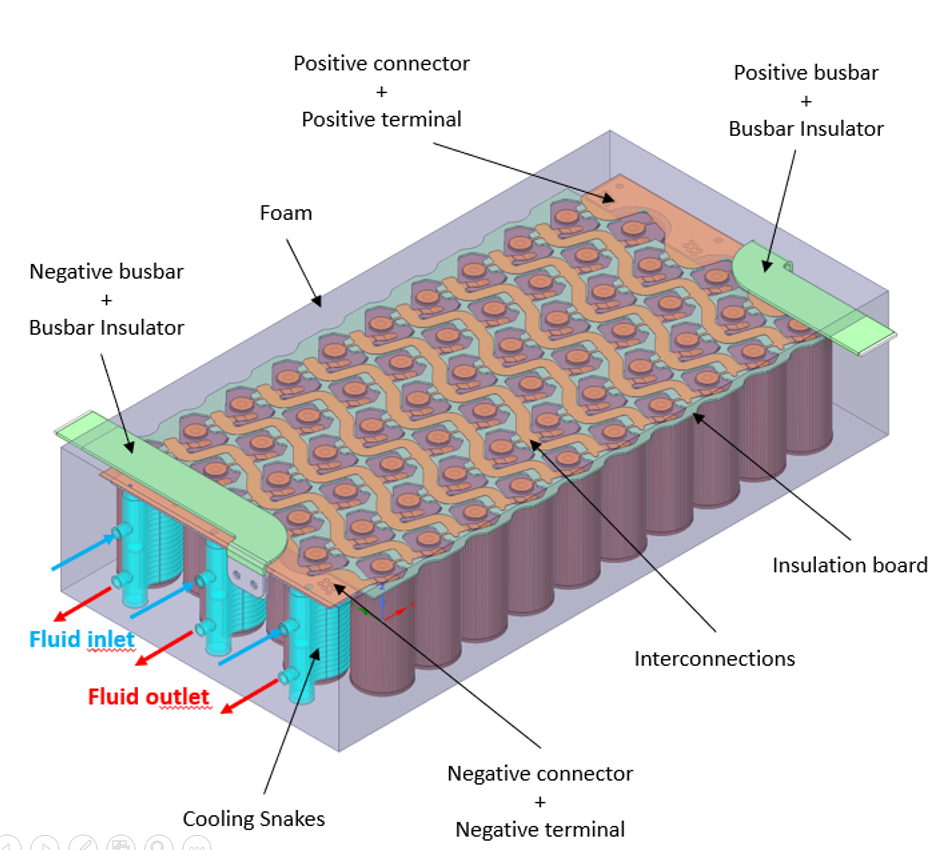
A CFD and electro-thermal study was conducted to optimize battery pack thermal management. Using a detailed 3D model of modules and internal cells, coupled simulations under realistic drive cycles identified hotspots and ensured uniform temperature distribution. Python automation and Reduced Order Modeling accelerated the workflow, enabling rapid design optimization and support for Digital Twin applications. The framework improves thermal uniformity, extends battery life, and reduces computational time.- Date
- May 4, 2026
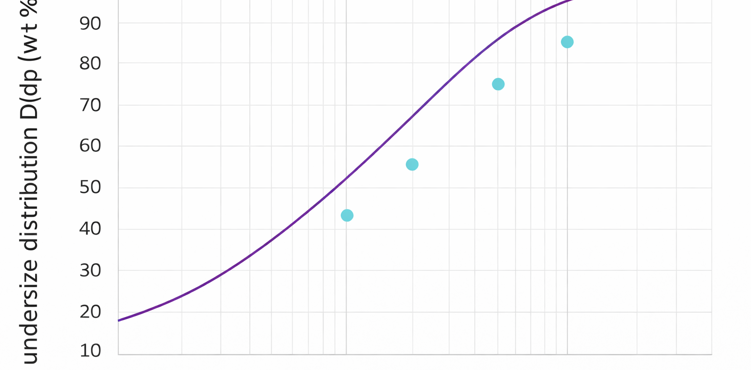
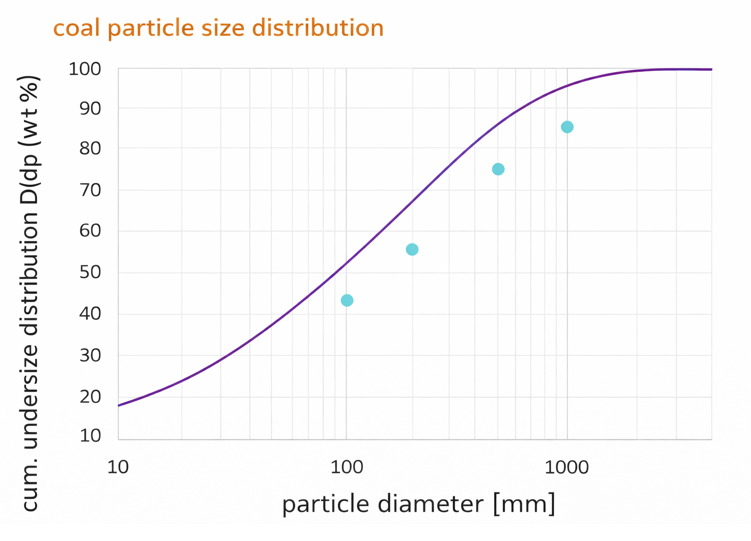
A detailed CFD study was performed to assess and optimize pulverized fuel (PF) duct distribution, ensuring uniform fuel delivery to all burner fingers and minimizing flow imbalances that could compromise combustion efficiency and component longevity. A full 3D model of the duct system and burner geometry captured gas-solid interactions using Euler-Lagrange simulations with realistic particle size distributions (PSD) and inhomogeneous coal inlet conditions. Baseline and modified duct designs were compared across different coal mass flow rates, revealing design changes that significantly improved fuel distribution uniformity. The optimized layout reduces deviations, enhances combustion efficiency, and minimizes hotspots, delivering a robust and reliable solution for PF distribution.- Date
- December 8, 2025
A conjugate heat-transfer CFD analysis was performed on an axial-flux motor using three stator-carrier solid materials with different thermal properties. The study assessed liquid coolant’s performance which flows inside specially designed channels, as well as the convective cooling to the surrounding air of the motor. Steady-state simulations, combined with material sensitivity studies, provided insight into temperature distribution, heat removal efficiency, and influence of thermal insulation.- Date
- November 12, 2025
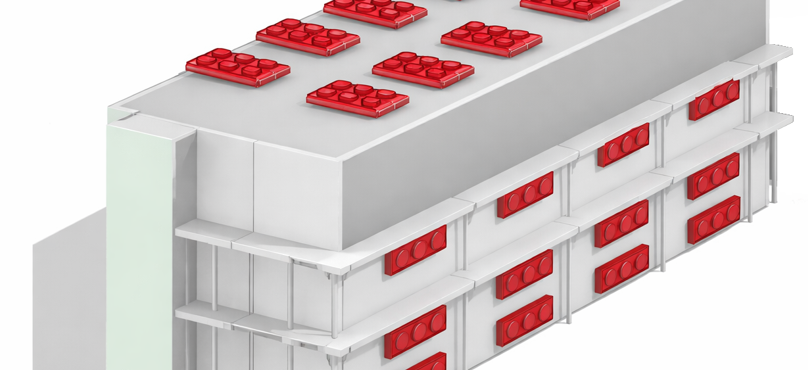
The study predicted airflow and temperature distribution in the external mechanical rooms of the residential and office buildings of 17-storey and 16-storey, respectively, "Landmark Towers" in Nicosia under hot summer conditions. The goal was to ensure that air-conditioning units located in mechanical rooms of each floor operate under acceptable conditions and draw in fresh air that is not "contaminated" by the recirculation of hot air rejected from other units of the same or adjacent floors. In order to achieve this, the simulation of a large air volume around the buildings, in addition to mechanical rooms volume, was necessary. Simulations revealed the great effect of the perpendicular louvers and covers, which greatly determine the airflow pattern and temperature distribution.- Date
- September 4, 2025
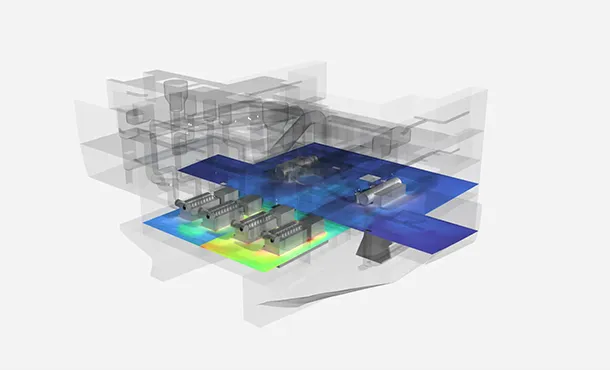
A Computational Fluid Dynamics (CFD) study was performed on behalf of Novenco Marine & Offshore to assess the performance of the ventilation system within a multi-deck ship environment. The goal was to identify hot zones and modify airflow distribution so that more cooling air is delivered to these regions. Using Ansys Fluent, Simtec team modeled complex heat dissipation from engines and gensets and simulated airflow from supply ducts under realistic operating conditions.Advanced CFD Analysis for Efficient Climate Control in Α Luxury Residential Complex in Voula, Attica
- Date
- July 31, 2025
This project applied advanced CFD simulations to assess and optimize climate control and solar load management in a luxury residential complex in Voula, Attica. The simulations, conducted using Ansys 2024R1 tools, evaluated airflow patterns and temperature distributions across multiple levels of residential spaces. Key areas of focus included optimizing HVAC system performance, especially in challenging spaces like double–height living rooms with large glass facades, which are highly susceptible to solar heat gains. The findings guided HVAC system modifications that improved energy efficiency and resident comfort, in alignment with Greek national standards (KENAK and TOTEE). The results of this study provide actionable insights for reducing energy consumption and enhancing the performance of HVAC systems in high–end residential developments.- Date
- July 29, 2025
Simtec conducted a comprehensive cooling study for two Data Centers located in the Attica region, utilizing Computational Fluid Dynamics (CFD) simulations. The study included both the analysis of external heat flow from the air conditioning units and the simulation of the internal spaces.- Date
- August 26, 2024
Simtec assessed the cooling and ventilation of two steam turbines at a power plant in Cyprus, focusing on the challenges posed by hot summers. Using Fluent's solar load model, the study simulated the worst-case thermal loads. The HVAC system's performance was evaluated, identifying temperature hot spots and areas of stagnant air. The results confirmed effective cooling without noise hazards, helping engineers avoid the need for additional fans, thus reducing costs.